

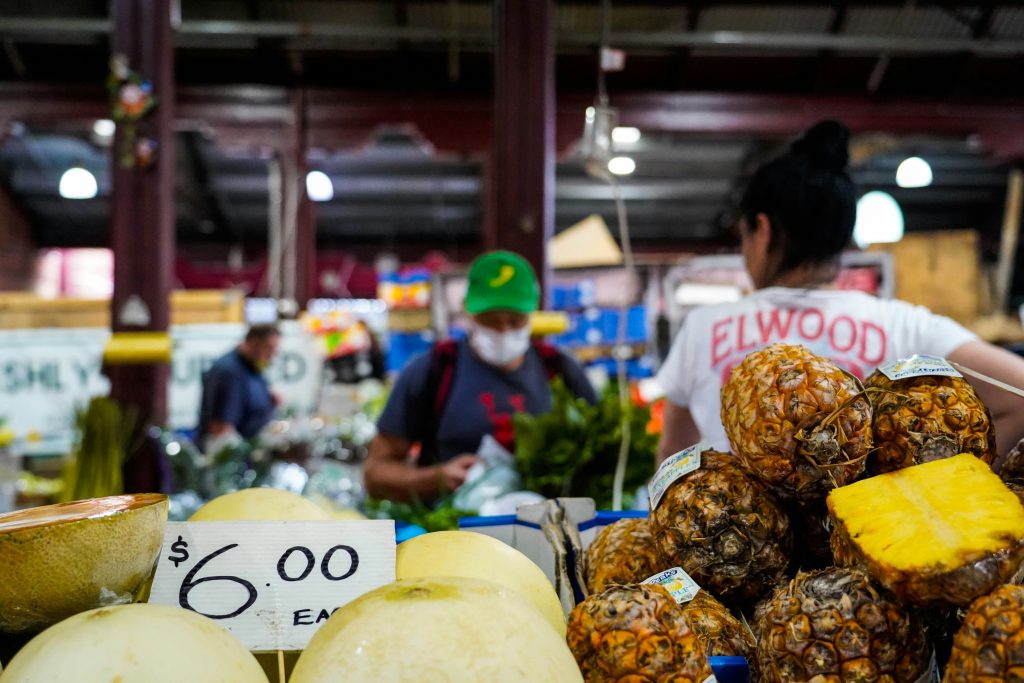
One of the most interesting conversations in Hawaiʻi’s food scene is not about a single new dish. It is about where ingredients come from, who grows them, and how kitchens can stay connected to the Islands’ land and waters. Local sourcing is not a passing garnish trend. It touches flavor, farming, fishing, cultural knowledge, supply chains, and the long-term resilience of island communities.
Why local ingredients matter on an island
Hawaiʻi’s geography makes food supply especially visible. Many ingredients travel long distances before reaching a restaurant or household, while local farmers and fishers work with specific climates, soils, ocean conditions, and seasons. Buying locally when practical can help keep more value in the community and create stronger relationships between producers and kitchens.
Local sourcing does not mean every ingredient must come from the Islands. Availability, price, weather, and production capacity all matter. A realistic approach focuses on ingredients that can be grown or harvested responsibly and purchased consistently, while being transparent about what is imported.
Bring traditional crops into modern menus
Kalo is a powerful example. It is a foundational food in Hawaiian culture and can appear as poi, steamed or baked preparations, leaves used in cooking, and contemporary dishes developed by chefs. Supporting kalo growers can connect restaurants with agricultural knowledge and cultural practices that extend well beyond the kitchen.
ʻUlu, or breadfruit, and ʻuala, or sweet potato, also have important histories in the Pacific. They can be used in savory dishes, sides, baked goods, and creative menu adaptations. These crops offer cooks different textures and flavors while encouraging diners to learn about ingredients that may be less familiar than imported staples.
Seafood and the importance of responsible choices
Seafood is central to many island meals, but the phrase “fresh local fish” should be used carefully. Species, seasons, regulations, and availability vary. Restaurants can help diners by naming the fish when possible, describing its source accurately, and following applicable fishery rules and food-safety standards.
For home cooks, ask a trusted fishmonger what is in season and how the fish should be stored and prepared. Choosing a suitable alternative when a preferred species is unavailable is part of responsible cooking, not a compromise.
What restaurants can do now
- Build producer relationships: communicate with farms, fisheries, and local suppliers about availability and realistic purchasing volumes.
- Design flexible menus: use seasonal specials rather than promising the same local ingredient every day.
- Reduce waste: plan portions, use appropriate trimmings, and store produce correctly.
- Tell the story accurately: name ingredients and suppliers when verified, and avoid vague claims that everything is local.
- Respect cultural knowledge: learn from Native Hawaiian growers and practitioners when working with culturally significant crops and practices.
What diners can look for
Guests can support thoughtful sourcing by asking what is seasonal, trying unfamiliar local crops, and choosing restaurants that communicate clearly. A menu note about a named farm or fishery is more informative than a generic island-inspired label. Diners can also be flexible: a seasonal special may be the best expression of what is available at that moment.
At home, start small. Replace one imported side dish with a locally grown vegetable when it is available. Try ʻuala in place of a familiar potato preparation, or look for kalo products from producers who share information about their growing practices. The point is not to make every meal complicated; it is to build familiarity with the foods and people connected to the place.
A stronger food future is built through relationships
Local food systems are shaped by many people: farmers, fishers, distributors, cooks, educators, and households. No single restaurant can solve every supply challenge, but everyday purchasing decisions can help strengthen the connections among them. Good sourcing also requires honesty about limits, fair relationships, and respect for the knowledge held by the communities who have cared for these foods over generations.
As Hawaiʻi’s food scene continues to evolve, the most meaningful trend may be a renewed attention to place. When menus reflect seasonal ingredients, when producers are recognized, and when traditional crops are treated with care, a meal can support both a memorable dining experience and a more connected food community.

Komentar