
Food waste is becoming a more visible part of the conversation about how Hawaiʻi manages resources. On Oʻahu, the City and County of Honolulu expanded its Green Recycling Organic Waste program—known as G.R.O.W.—islandwide on October 1, 2026. For eligible households, the change means food scraps can go into the green cart with yard waste instead of being placed in the regular trash.
The program is a practical step, but the rules matter. Not every household receives the same collection service, and the wrong materials can contaminate a load of compostable waste. Here is what residents need to know before putting kitchen scraps in the green cart.
Who can use the expanded program?
The islandwide expansion applies to Oʻahu households that receive the City’s automated curbside collection service with the familiar three-cart system: gray for refuse, blue for mixed recyclables and green for green waste. Residents with a different collection arrangement should check the City’s guidance rather than assuming the same rules apply to their property.
G.R.O.W. builds on an earlier pilot in selected communities. The islandwide start date was October 1, 2026, and the green cart now accepts eligible food waste along with green waste for participating automated routes. Collection schedules remain tied to the household’s regular service calendar, so residents should continue to follow their assigned pickup day.
What food scraps can go in?
The accepted materials include many everyday foods. Residents can place the following items in the green cart, loose and without a bag:
- Fruit and vegetable scraps, including peels and trimmings
- Meat, fish and bones
- Bread, rice and pasta
- Coffee grounds and paper coffee filters
- Eggs and eggshells
- Leftover or spoiled food that fits the program’s accepted-material guidance
This is useful for households that cook often. Vegetable ends, fruit peels, coffee grounds and uneaten food no longer need to be separated into a different container for disposal, as long as the home is on an eligible route and the material follows the City’s rules.
What must stay out of the green cart?
Do not add plastic bags, plastic packaging, wrappers, glass, metal, liquids or oils. The City also warns residents not to use bags labeled compostable or biodegradable. Those products can still interfere with the local processing system, so food scraps should be placed directly in the cart rather than inside a liner.
Keep household trash and hazardous materials out as well. When in doubt, check the current municipal list before adding an item. A single non-accepted material can make sorting and processing more difficult for the whole load.
Simple habits make food-scrap collection easier
Use a small container with a lid on the kitchen counter or in the refrigerator to collect scraps during meal preparation. Empty it into the green cart when convenient, then rinse the container. If odors are a concern between pickups, keep the small kitchen container chilled and empty it regularly.
Scrape plates before washing, but avoid pouring liquids, cooking oil or grease into the cart. Keep the cart lid closed and follow the same placement rules used for other curbside collection. If you are unsure about an item such as a sauce, soup or packaged food, separate the solid food only and consult the City’s instructions for anything liquid or wrapped.
Why this matters to Hawaiʻi’s food system
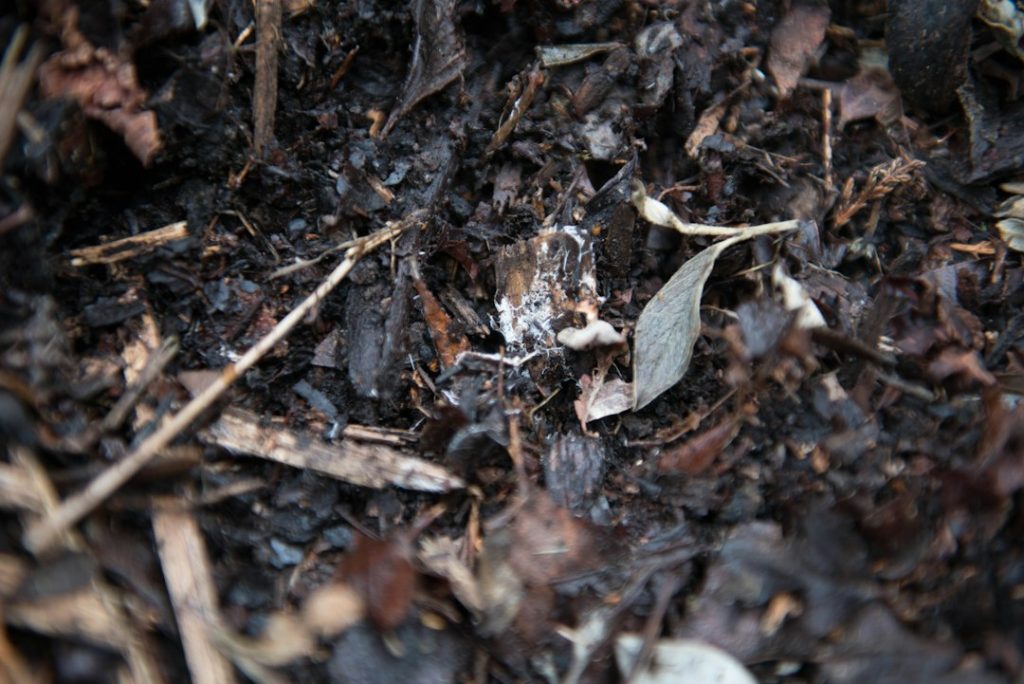
Food scraps are not just a household inconvenience. They are organic material that can be diverted from the regular waste stream and processed into compost. That creates an opportunity to return nutrients to soil and support a more circular approach to waste management.
For an island community with limited land for disposal, reducing the amount of food waste sent to the landfill is a practical environmental goal. The success of a collection program depends on participation and on keeping the wrong materials out. Sorting correctly is a small daily action, but it helps protect the quality of the material being collected.
Check your route before changing your routine
Before you begin, confirm that your home receives automated three-cart curbside collection and review the City’s latest accepted-material list. The G.R.O.W. expansion is a household curbside program, not a blanket instruction for every apartment building, business or property with a different service arrangement.
Once you know your route and the rules, the routine is straightforward: collect food scraps, keep plastics and liquids out, and place accepted material directly in the green cart. That is how Oʻahu households can turn everyday kitchen waste into a more useful resource.
Komentar