
In Hawaiʻi, a meal can tell a story that begins far beyond the kitchen. Kalo grows in a carefully managed relationship with water and land; the food it becomes is connected to family, community and cultural knowledge. That connection is the focus of Culture in AgriCULTURE, a November 6, 2026 experience at Kākoʻo ʻŌiwi that brings farming, food and culture together.
The event is part of the Hawaiʻi Food & Wine Festival’s Oʻahu program. Its format moves from a hands-on experience in the loʻi to a family-style lunch and a discussion about Indigenous foodways. The idea is simple but important: agriculture is not separate from culture. What people grow, how they care for land and water, and how food is shared all shape community life.
What a loʻi kalo teaches
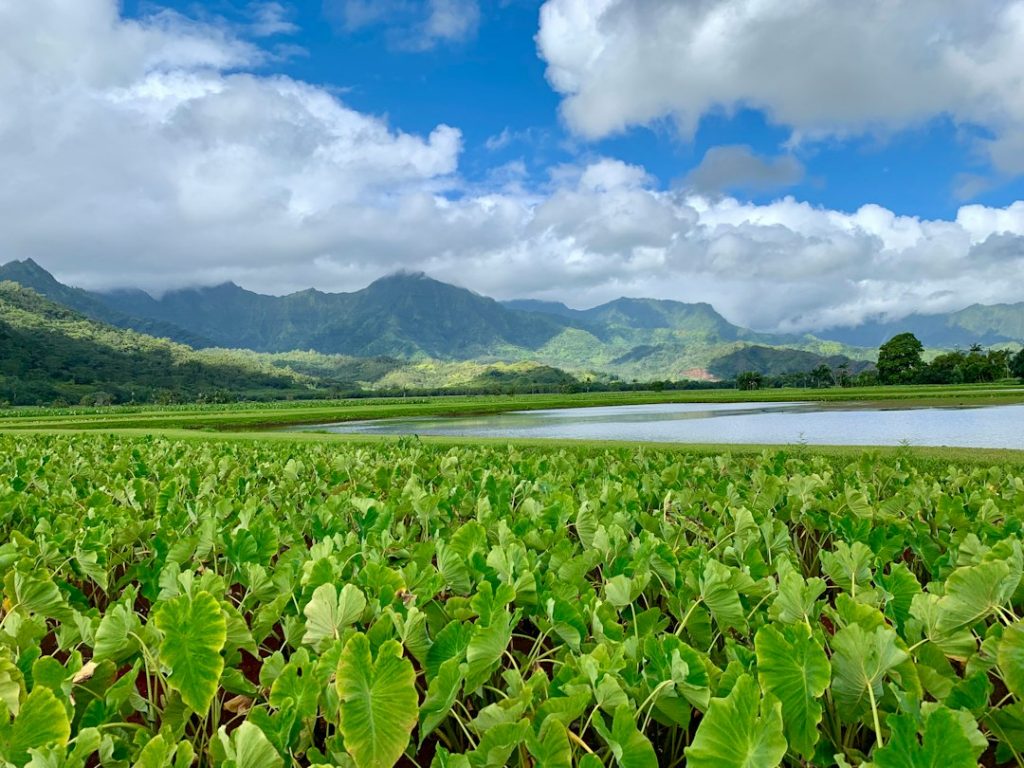
A loʻi kalo is a wetland field used to cultivate kalo, or taro. It is not simply a plot of soil with a crop planted in it. Water must be managed, channels maintained and growing conditions cared for over time. The work involves observation and shared knowledge as much as planting and harvesting.
Kalo is a culturally important food in Hawaiʻi, and its cultivation is tied to the health of freshwater systems. A healthy loʻi depends on clean, flowing water. The condition of the stream, the land above the field and the way water moves through the landscape all matter to the crop.
The wider landscape of ahupuaʻa
The ahupuaʻa system is often described through connected zones that extend from the uplands toward the coast. The mountain area, plains and ocean are different environments, but they are linked by streams and the movement of water. Freshwater supports agriculture in the central lands, including crops such as kalo, ʻulu, banana and sweet potato, while the wider watershed provides other materials and resources.
This way of understanding place encourages people to think beyond a single field or harvest. Choices made upstream can affect water quality downstream. Caring for a loʻi therefore involves attention to the larger system that sustains it. It also reminds diners that food is part of a relationship with the land, not just a product that appears on a plate.
Why the November 6 experience matters
Culture in AgriCULTURE is scheduled for November 6 from 9 a.m. to 1 p.m. at Kākoʻo ʻŌiwi. The program begins with a guided, hands-on loʻi experience focused on kalo cultivation and the cultural significance of the ahupuaʻa system. Participants then gather for a family-style lunch prepared by Indigenous chefs, followed by a panel discussion with chefs and cultural practitioners.
The event creates a setting where visitors can connect the physical work of agriculture with the flavors and stories shared at lunch. It also gives practitioners room to discuss food sovereignty: the ability of communities to maintain meaningful control over the food systems that nourish them, including knowledge, land, production and cultural practice.
Food culture is carried through practice
Traditions remain alive when people continue to practice them. Working in a loʻi, preparing kalo, sharing food and passing knowledge between generations are all ways that culture is maintained. These practices are not frozen in the past. They can inform contemporary questions about food security, environmental care, education and how communities build resilient local food systems.
That does not mean every modern meal must be traditional or that one event can represent every Hawaiian community. It means that food deserves to be understood in context. A dish made with kalo carries more than flavor; it can also point toward the people, places and systems that make the ingredient possible.
How visitors can approach the experience respectfully
Because the event takes place outdoors and includes hands-on work, practical preparation matters. Choose clothes that can get muddy, wear comfortable footwear and bring sun protection, water and insect repellent. Follow the guidance of the land stewards, listen before entering working areas and treat the loʻi as a place of ongoing care rather than a photo backdrop.
Even if you cannot attend, the central lesson is useful at any table: ask where ingredients come from, learn how they are grown and recognize the people who sustain those foodways. Hawaiʻi’s food culture is shaped by the relationships between land, water and community. Understanding those relationships makes the meal—and the work behind it—more meaningful.
Komentar