

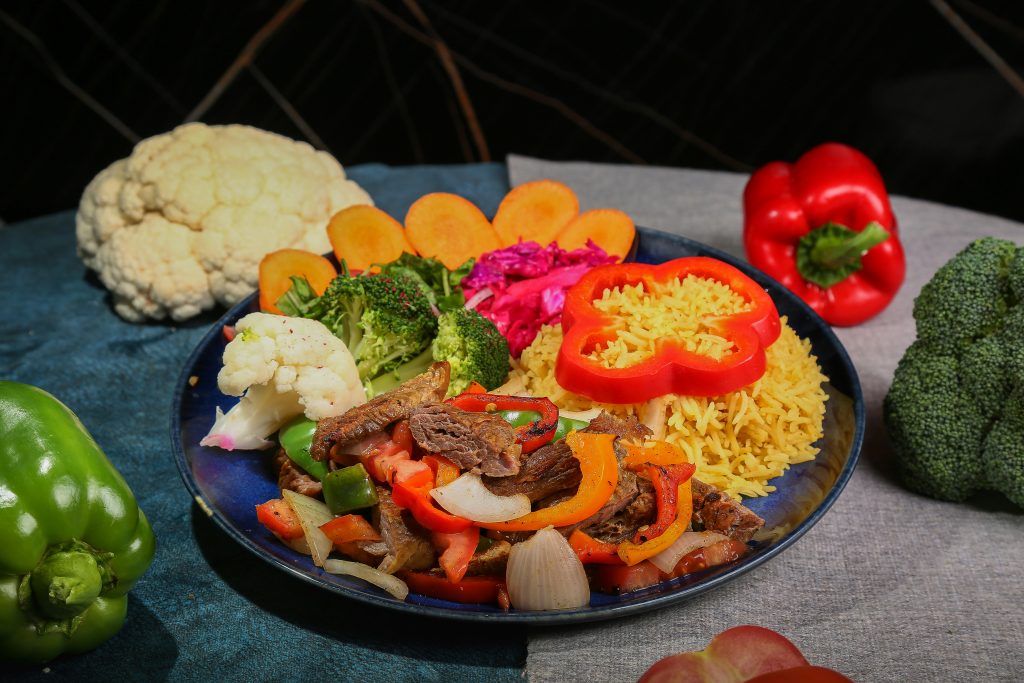
A Hawaiian plate lunch is easy to recognize: a generous serving of rice, a scoop of macaroni salad, and a main dish that might be smoky, savory, sweet, or all three. It is practical, filling, and wonderfully adaptable. Yet the plate lunch is more than a convenient meal. It reflects Hawaiʻi’s layered food history, working-day routines, and habit of bringing different culinary traditions together.
What usually comes on a plate lunch?
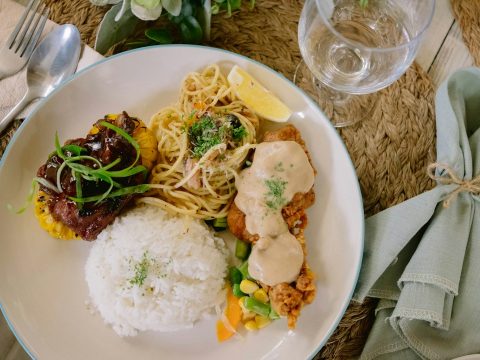
The familiar format often includes two scoops of white rice, macaroni salad, and a protein or entrée. You may see kālua-style pork, teriyaki chicken, grilled fish, beef stew, or another local favorite. Portions are usually hearty because the meal developed as everyday food: something satisfying that could travel to a job site, school, beach, or family gathering.
There is no single official plate-lunch recipe. Restaurants and home cooks adjust the sides, rice portions, sauces, and entrées according to taste and tradition. Some plates lean toward classic comfort food; others feature fresh seafood or vegetables. That flexibility is part of the appeal.
How the plate lunch became an island staple
Hawaiʻi’s modern local food culture grew through generations of contact among Native Hawaiian, Asian, Portuguese, and other communities. Plantation-era work brought people from different backgrounds into shared communities, and foodways developed through exchange, adaptation, and everyday necessity. The plate lunch is commonly understood as part of this broader local food story rather than as one ancient dish with a single point of origin.
Rice became a familiar foundation, while the accompanying dishes reflected the many kitchens and food traditions that shaped life in the Islands. The result was not simply a copy of one cuisine. It was a practical local meal that kept evolving as cooks borrowed flavors, techniques, and ingredients.
The main dish sets the personality
Kālua pork is one well-known option. Traditionally, kālua refers to food cooked in an imu, an underground oven. The slow, enclosed cooking produces tender meat with a distinctive smoky character. Restaurant and home versions may use different equipment and seasonings, so the flavor can vary, but the dish remains strongly associated with celebratory Hawaiian cooking.
Teriyaki chicken offers another familiar profile, with a glossy sweet-salty sauce. Grilled fish can make a lighter plate, while beef stew brings a homestyle feel. A good plate lunch is not defined by one protein; it is defined by how the components work together.
Why rice and macaroni salad belong together
Rice provides a neutral, satisfying base that pairs well with saucy entrées. Macaroni salad adds a cool, creamy contrast. The combination creates variety in texture and temperature without making the meal complicated. Some cooks keep the salad simple, while others add finely chopped vegetables or season it with a house dressing.
If you are preparing a plate lunch at home, cook the rice so the grains stay tender but distinct. Chill the macaroni salad before serving, and keep hot foods hot until the meal is assembled. A small portion of fresh greens or sliced tomato can add brightness, even if the classic plate remains the star.
How to build a balanced plate at home
- Choose a centerpiece: grilled fish, roast pork, chicken, tofu, or a vegetable entrée.
- Add a steady base: serve rice or another grain in a portion that suits your appetite.
- Bring contrast: include a cool salad, pickled vegetables, or fresh fruit.
- Use sauce thoughtfully: offer extra sauce on the side so each person can adjust the flavor.
- Make it personal: include a family recipe or a seasonal ingredient rather than treating the format as fixed.
A meal built for sharing
The plate lunch feels familiar because it is straightforward and generous. It can be eaten quickly, packed for later, or set in the middle of a table for everyone to enjoy. Its ingredients tell a story of Hawaiʻi’s diverse local food culture, while its flexible format leaves room for new ideas.
When you order or prepare one, look beyond the portions. Notice how the rice balances the entrée, how the salad cools a rich sauce, and how a simple combination can carry a sense of place. That balance is what makes the Hawaiian-style plate lunch a lasting comfort-food favorite.
Komentar